

backlit floor mirror
Understanding Pressure Check Valves Essential Components in Fluid Systems Pressure check valves play a crucial role in various fluid systems, ensuring safety, efficiency, and functionality in a wide range of applications. These valves are designed to control the flow of fluids, preventing backflow and allowing for the regulation of pressure within a system. As we delve into the mechanics and significance of pressure check valves, it becomes clear why they are vital components in industrial, commercial, and residential settings. What is a Pressure Check Valve? A pressure check valve, also known as a non-return valve or one-way valve, is a device that allows fluid to flow in one direction while preventing reverse flow. This mechanism is essential in systems where backflow could lead to pressure fluctuations, system damage, or even hazardous situations. The basic operation of a pressure check valve relies on differential pressure it opens when the pressure is sufficient to push the valve open and closes when the pressure drops or reverses. Applications of Pressure Check Valves Pressure check valves find applications across numerous industries. In water supply and plumbing systems, they prevent contaminated water from flowing back into the clean water supply, safeguarding public health. In HVAC systems, they maintain proper pressure levels, ensuring the efficient operation of heating and cooling systems. In the oil and gas industry, these valves are crucial for managing the flow of hydrocarbons and preventing backflow, which can lead to significant safety risks, environmental hazards, and economic losses. Additionally, in manufacturing processes, pressure check valves help maintain system integrity by ensuring that fluid flows only in designated directions, thus optimizing productivity and safety . Types of Pressure Check Valves There are various types of pressure check valves, each designed for specific applications and operating conditions. The most common types include pressure check valve 1. Swing Check Valve This type utilizes a swinging disc to allow fluid to flow in one direction. When the flow reverses, the disc swings back and seals off the flow path, preventing backflow. 2. Lift Check Valve This valve features a disc that moves vertically to allow flow. If the flow direction reverses, the disc is forced back onto a seat, blocking the reverse flow. 3. Spring Check Valve Equipped with a spring mechanism, this valve opens under flow pressure and closes when the flow stops or reverses. This design allows for quick response times and is commonly used in applications where space is limited. 4. Diaphragm Check Valve Utilizing a flexible diaphragm, this valve opens with forward flow and seals with reverse flow. It is ideal for applications involving corrosive fluids or slurries. The Importance of Proper Installation and Maintenance While pressure check valves are durable and designed for longevity, their effectiveness depends greatly on proper installation and maintenance. Incorrect installation can lead to malfunctions, including leaks and pressure drops, which can compromise system integrity. Regular maintenance checks are also essential; they help identify wear and tear or any signs of damage, ensuring that valves function correctly and prolonging their operational lifespan. Conclusion In conclusion, pressure check valves are integral components in fluid systems that promote efficiency and safety across various applications. Understanding their function, types, and maintenance needs is essential for anyone involved in system design, operation, or maintenance. As industries continue to evolve, the demand for reliable and efficient fluid control solutions will only grow, making the role of pressure check valves even more critical in our interconnected world. Therefore, recognizing their importance and ensuring their proper function is paramount in maintaining the integrity of fluid systems.
about
backlit floor mirror
The Role of Gate Valves in Plumbing Systems Gate valves are essential components in plumbing systems, serving the crucial purpose of controlling the flow of fluids in pipelines. These valves are designed to either allow or block the passage of water, making them fundamental to the efficient operation of residential, commercial, and industrial plumbing installations. Understanding gate valves, their types, and their applications can help homeowners and plumbing professionals alike make informed decisions regarding their plumbing systems. What is a Gate Valve? A gate valve is a type of linear valve that operates by raising or lowering a gate (or wedge) within the valve body. This mechanism allows for full flow when the valve is open and complete blockage when closed. Gate valves are typically used in applications where minimal pressure drop and low turbulence in the pipeline are required, making them ideal for on/off service rather than flow regulation. Types of Gate Valves There are several types of gate valves used in plumbing systems, each designed for specific applications 1. Rising Stem Gate Valves In these valves, the stem rises as the valve opens, making it easy to visually indicate the valve’s position. This type is commonly used in water supply lines. 2. Non-Rising Stem Gate Valves Ideal for installations with limited vertical space, these valves feature a stem that turns without rising, making them a practical choice for underground or confined spaces. 3. Wedge Gate Valves These valves use a wedge-shaped gate that fits tightly against the valve seat when closed, creating a seal that minimizes leaks. They are widely used in water and sewage applications. 4. Parallel Gate Valves Utilizing a parallel plate, these valves offer minimal throttling when partially open. They are often found in larger pipelines where precise flow control is necessary. Advantages of Gate Valves Gate valves offer several advantages that make them a popular choice in plumbing systems - Low Resistance to Flow When fully open, gate valves provide a straight-line flow path, resulting in minimal pressure drop. This is particularly beneficial in large diameter pipes where high flow rates are required. gate valve in plumbing - Durability Gate valves are known for their robust construction, which can effectively withstand high pressure and temperature variations, making them suitable for various applications. - Simplicity The design of gate valves is straightforward, consisting mostly of a body, gate, stem, and a handle. This simplicity translates into easy operation and maintenance. - Cost-Effective Generally, gate valves are less expensive than other types of valves, especially when high volume flow control is required without pressure regulation. Limitations of Gate Valves Despite their advantages, gate valves do come with certain limitations. They are not ideal for applications requiring frequent adjustments to flow. For example, if you need to throttle or control the flow rate, a globe valve might be a better option. Additionally, due to the design, gate valves can be susceptible to wear and tear over time, especially if they are not regularly operated. Applications of Gate Valves Gate valves find their applications in various areas - Water Supply Systems Used to control the flow of water from municipal sources to individual homes or businesses. - Fire Protection Systems Critical in controlling water flow for fire suppression systems, ensuring that water can be quickly accessible when needed. - Industrial Applications Utilized in manufacturing plants, chemical processing, and oil and gas operations where large flows of liquid need to be managed. Conclusion In conclusion, gate valves play a pivotal role in plumbing systems by providing reliable and efficient control of fluid flow. Their robust design, simplicity, and effectiveness in minimizing pressure loss make them a preferred choice in many applications. However, understanding their limitations and suitable uses is essential for optimal plumbing performance. As plumbing technology advances, gate valves continue to adapt, ensuring their relevance in modern piping systems while contributing to improved efficiency and reliability.
-

High quality industrial productsagement

High quality industrial products
View Details -

Meet the diverse needs of customers

Meet the diverse needs of customers
View Details -

Strict quality control

Strict quality control
View Details -

Top raw materials

Top raw materials
View Details -

Trusted supplier

Trusted supplier
View Details
Our application

news and information
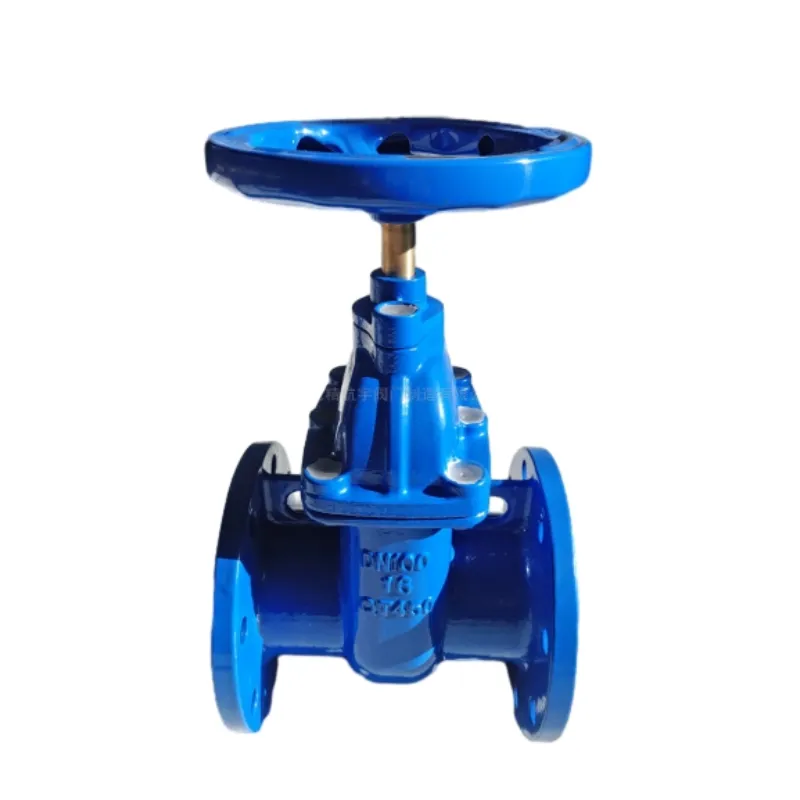
Válvula principal de agua en el hogar y su importancia para el suministro doméstico
La Importancia de la Válvula Principal de Agua en el Hogar La válvula principal de agua es un compon
Vanne à guillotine de 8 pouces pour applications industrielles et de plomberie
Vannes à Panneau Couteau de 8 Pouces Un Équipement Essentiel pour l'Industrie Les vannes à panneau
Water Meter Shutdown Valve Installation and Maintenance Guide for Homeowners
Understanding Water Meter Shut-Off Valves Importance, Functionality, and Maintenance In residential
 English